
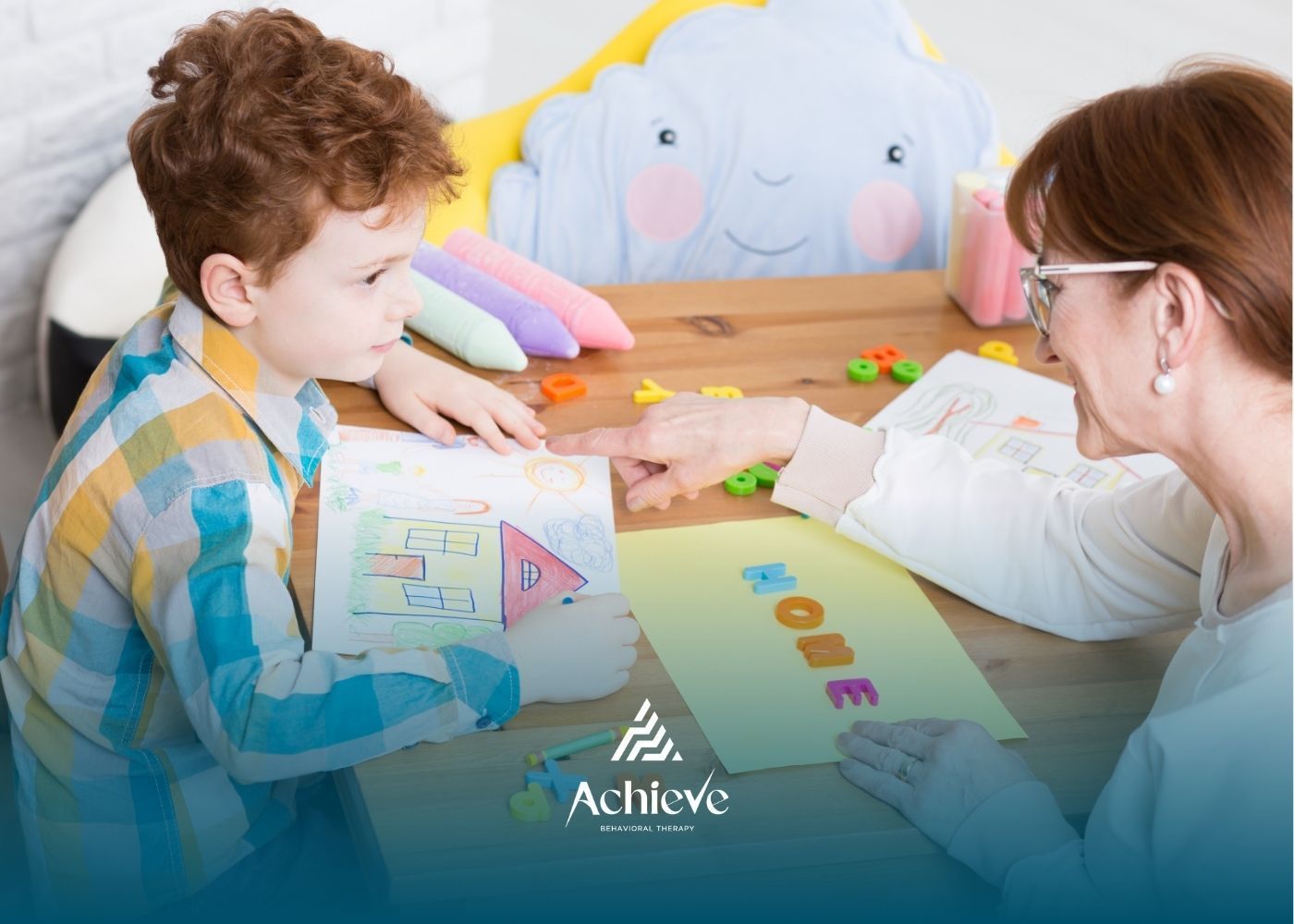


Visual Supports in Autism Communication Guide

Martin Klein • January 30, 2026

Sarah Chen

(M.Ed., BCBA)

Sarah spent her early career as a speech-language pathology assistant...

Visual supports in autism communication use pictures, schedules, and cues to bridge verbal gaps. About 30-50% of autistic kids are minimally verbal, relying on visuals for expression. They cut anxiety and boost understanding in daily routines.


Power Tools: Visual Supports in Autism Communication

Scan these key types.

  • Picture schedules for daily flow.
  • PECS cards for requesting needs.
  • Choice boards for decisions.
  • Visual timers for transitions.
  • Social stories for behaviors.
  • First-Then boards for sequences.


At Achieve Behavioral Therapy, visual supports in autism communication helped one NJ client jump from 10 to 50 expressive phrases in months.​ Master connections now—call Achieve Behavioral Therapy's our site for instant visual support starter kit and consult.


FAQ

  • What are visual supports in autism communication?

    Pictures, symbols, schedules aiding speech comprehension and expression.

  • Why use visual supports in autism communication?

    They match visual strengths, easing anxiety for 30-50% minimally verbal kids.

  • Title or Question

    Describe the item or answer the question so that site visitors who are interested get more information. You can emphasize this text with bullets, italics or bold, and add links.

Sources


Need Support?

We're Here to Help!

Our experienced team is ready to assist you. Reach out today to discuss how we can support your child's development and well-being.

Get started with expert ABA therapy today.

Related posts

Girl with pigtails painting on a wall with blue paint.
August 17, 2026
Practical, parent-focused guidance on autism elopement — GPS trackers, home safety, swim lessons, IEP planning, and what to do if it's happening right now.

Family under a paper house: parents and children smiling, indoors.
August 16, 2026
A neurodiversity-affirming guide to supporting an autistic sibling, spouse, parent, child, or adult child — what actually helps, by relationship.

A person wearing glasses and a green shirt smiles while looking up, standing in front of a tree.
By Martin Klein August 11, 2026
Autism is lifelong, but not static. See how it shifts by life stage, what masking costs long-term, and what genuinely improves with support.

Show More