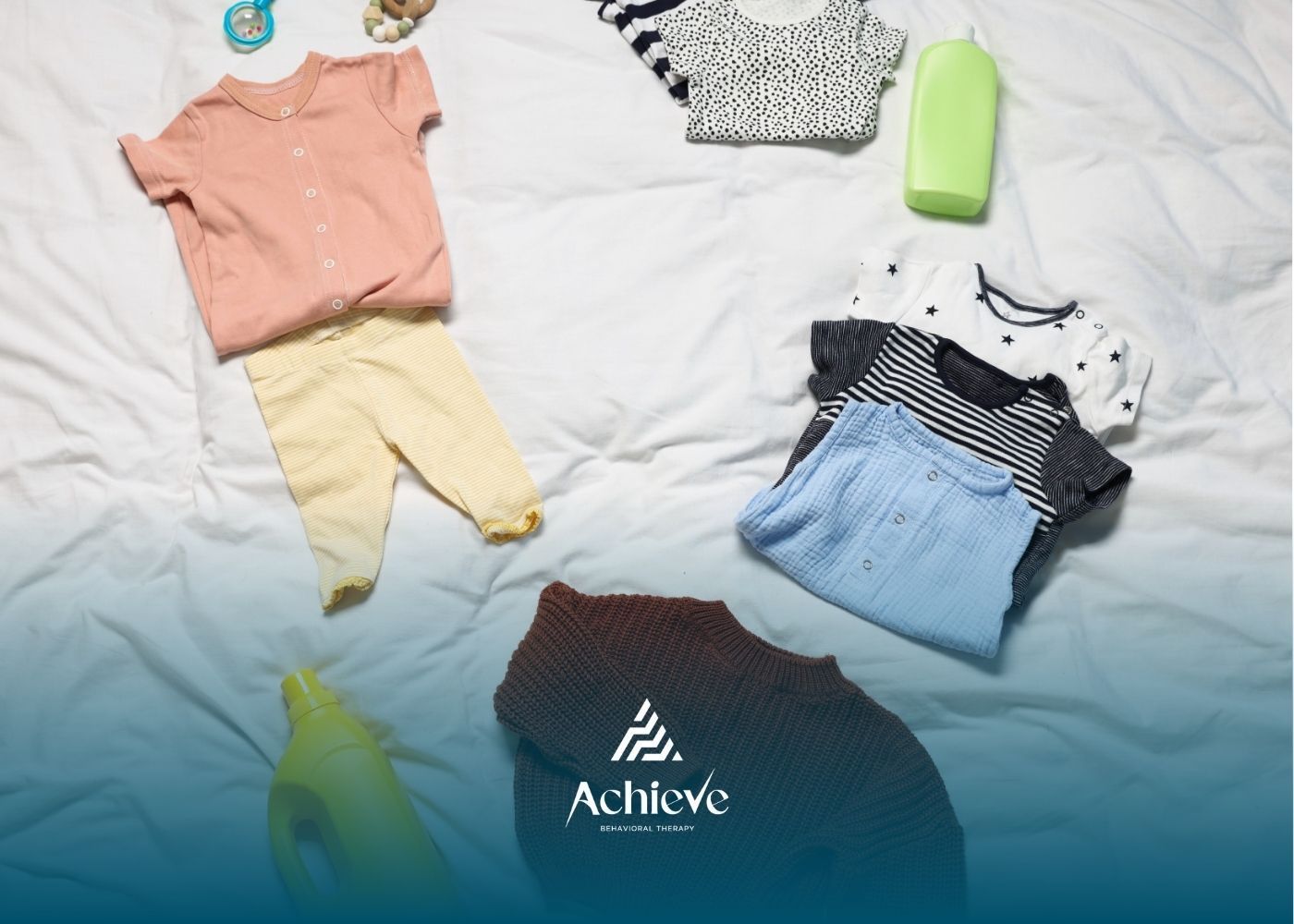
Sensory Clothing for Autism: Comfort, Features, and Daily Benefits

Sensory clothing for autism refers to specially designed apparel that addresses sensory sensitivities common in autism spectrum disorder by minimizing irritation and discomfort. These garments use soft fabrics, tagless designs, flat seams, and adaptive closures to reduce sensory overload and increase comfort for individuals with sensory processing differences.

Why Sensory Clothing Matters
Many autistic individuals experience heightened sensory responses to touch and texture. Ordinary clothing — with tags, stiff seams, or rough fabrics — can trigger discomfort or distress. Sensory clothing for autism is created to prevent those irritations before they happen, helping people stay calm and participate in daily activities more comfortably.
Research shows that repeated touching or stroking of comfortable fabrics can provide soothing sensory input, helping some autistic individuals self-regulate during everyday activities.
Common Features of Sensory ClothingSpecialized
autism-friendly apparel often includes these design elements:
Common Features of Sensory Clothing
Specialized autism-friendly apparel designed to reduce sensory triggers and improve comfort
Why Sensory Clothing Matters
- Reduces sensory overload and discomfort
- Promotes independence with adaptive designs
- Minimizes distractions during daily activities
- Supports emotional regulation through comfort
Soft, Breathable Fabric
Gentle materials that avoid skin irritation and provide comfort throughout the day.
Tagless or Printed Labels
Eliminates scratchy tags that can cause distraction or discomfort.
Labels are printed directly on fabric or completely removed
Flat or Seamless Seams
Seams that lie flat against the skin to prevent chafing and irritation.
Stretchy, Adaptive Fits
Gentle elastic and adjustable features that support comfortable fit and independence.
Features: Magnetic closures, adjustable waistbands, easy closures
Calming Colors & Simple Patterns
Muted tones and minimal designs to reduce visual overstimulation.
Avoids bright colors, bold patterns, and high-contrast designs
Creating a Comfortable Experience
These sensory-friendly features work together to make clothing less intrusive, more comfortable, and more tolerable for individuals with sensory processing challenges. By reducing sensory triggers, specialized apparel helps promote independence, confidence, and daily functioning.

Infographic: Common Features of Sensory Clothing | Designed for Autism-Friendly Apparel
Colors and designs inspired by sensory-friendly principles
Who Benefits from Sensory Clothing
While sensory clothing for autism is often associated with children, people of all ages with sensory sensitivities can benefit. Adults with heightened sensory responses may find everyday wear more comfortable with these adaptive designs, which can support focus, reduce stress, and improve participation in daily routines.

Comfortable sensory clothing can also support learning and social engagement. For example, children who feel calm and comfortable in their clothing are more likely to focus during school activities or therapy sessions.
Sensory Clothing and Daily Function
Sensory clothing for autism isn’t just about comfort — it also helps reduce sensory overload and promote participation in routines. Wearing adaptive garments designed to minimize irritation can make dressing easier, decrease distress, and support smoother transitions throughout the day.
By reducing sensory barriers, clothing becomes a tool that assists individuals in moving through daily life with less distraction, allowing them to direct attention toward communication, learning, and engagement.
Conclusion
Understanding sensory clothing for autism helps families make informed choices about daily comfort and sensory support. These garments use soft materials, tagless designs, and adaptive features to ease discomfort, reduce sensory overload, and increase participation in routines. Comfortable clothing can be especially helpful when sensory sensitivities affect everyday tasks like dressing, school, or play.

For personalized guidance on sensory needs and strategies that support comfort and regulation throughout daily life, contact Achieve Behavioral Therapy to schedule a consultation and work with experts who can help tailor sensory solutions to your child’s unique needs.
Sources:
Need Support?
We're Here to Help!
Our experienced team is ready to assist you. Reach out today to discuss how we can support your child's development and well-being.
Get started with expert ABA therapy today.