What relaxes autism? Strategies that support
sensory regulation and emotional calm — like deep pressure, sensory tools, breathing techniques, movement, and safe, low-stimulus environments — help many autistic individuals reduce stress and support self-regulation. These approaches don’t “cure” autism, but they can ease anxiety and sensory overload.
Sensory-Based Calm Tools
Deep pressure and sensory support
Deep pressure can promote relaxation by providing
calming sensory input. Tools like weighted blankets, compression clothing, or firm but gentle touch (if comfortable) give regulated sensory feedback that many individuals find soothing.
Fidget and tactile tools
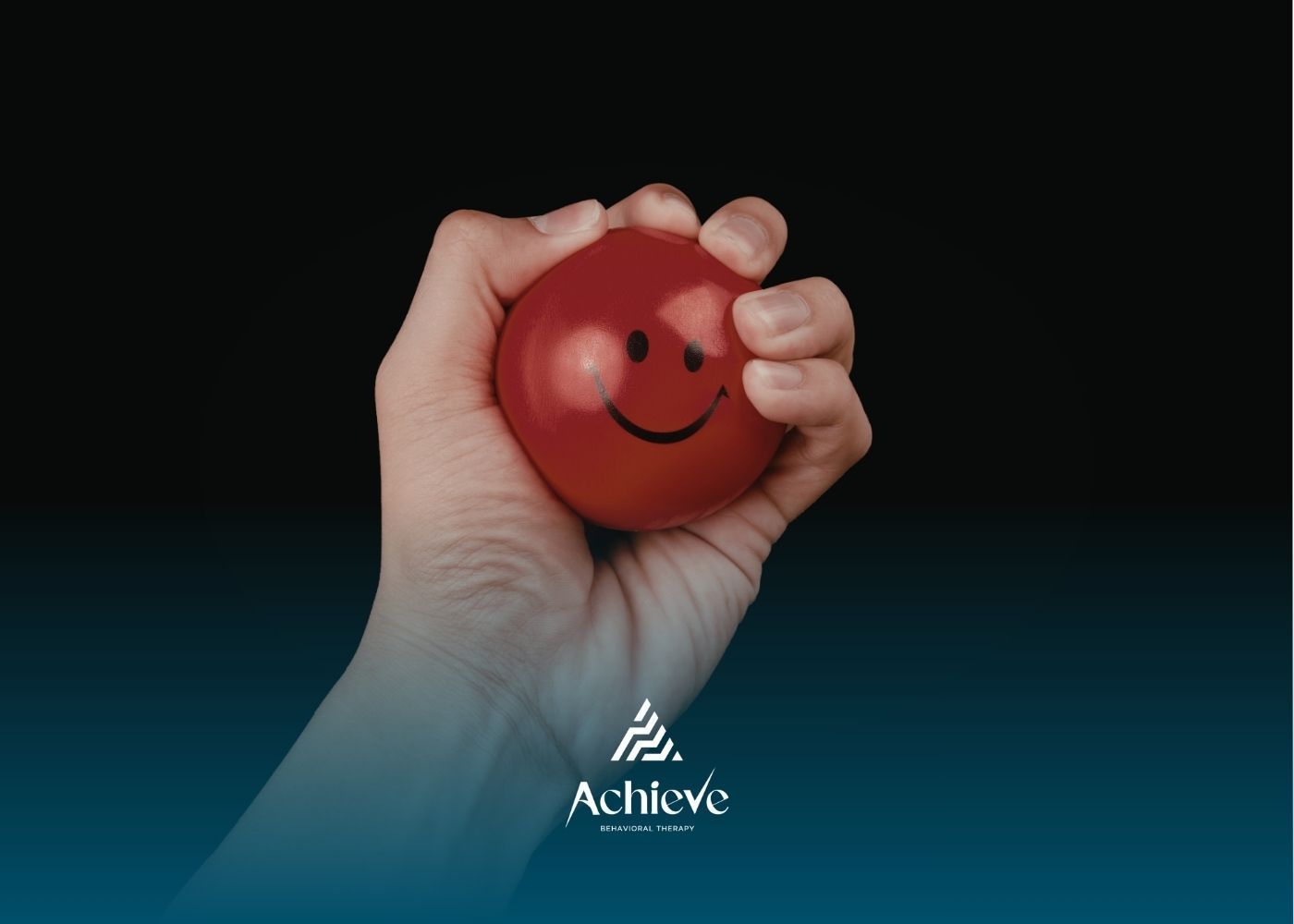
Objects like fidget toys or stress balls can help manage sensory needs and focus, offering a
controlled sensation that supports calm.
Breathing & Movement Techniques
Breathing exercises
Simple deep breathing (like slow inhales and exhales or “balloon” breathing) helps lower stress and support self-regulation by slowing heart rate and calming the nervous system.
Movement and proprioceptive activities
Activities such as stretching, jumping, or nature walks can reduce excess energy and contribute to calmness. Movement supports regulation by engaging the body and brain together.
Mindful Environments & Routines
Quiet spaces and sensory diets
Reducing sensory triggers (like bright lights or loud sounds) and offering quiet, predictable spaces helps autistic individuals relax by minimizing overload. Occupational therapists often recommend creating sensory-friendly spaces that match individual sensory needs.
Structured routines and calming activities
Predictability and repeatable calming tasks — like listening to gentle music or visiting a
designated “safe space” — support emotional regulation by reducing unexpected stimuli.