


Sulforaphane for Autism: Benefits and Research Findings
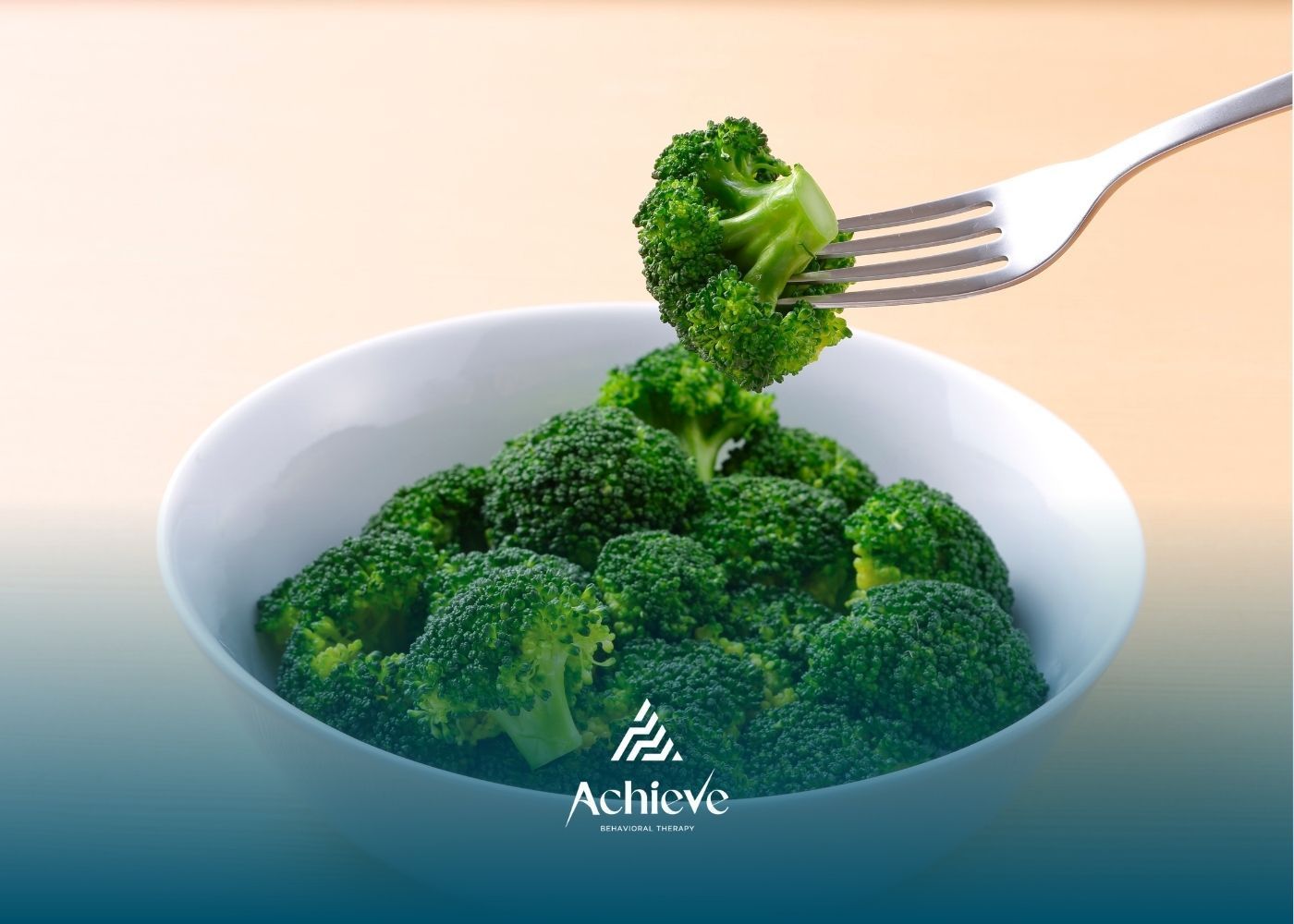
Have you heard about sulforaphane and its potential role in managing autism spectrum disorder? This natural compound, found in vegetables like broccoli, is gaining attention in clinical research for its promising effects on behavior and social skills. For families in Maryland and Colorado exploring different support options, understanding this compound is key. This article explores what sulforaphane is, examines the scientific findings from recent studies, and discusses its potential benefits for individuals with autism.
Understanding Autism Spectrum Disorder (ASD)
Autism Spectrum Disorder (ASD) is a complex neurodevelopmental condition that affects social communication, learning, and behavior. Because it is a spectrum disorder, each person with autism has a unique set of strengths and challenges. Understanding the core characteristics of ASD is the first step for families and caregivers in finding effective support strategies.
The journey of managing ASD symptoms often involves exploring various treatments and interventions. The goal is always to improve quality of life and help individuals thrive. Next, we will explore the specific definition of autism, the daily challenges it can present, and the current evidence-based treatments available.
Definition and Core Symptoms of Autism
Autism Spectrum Disorder (ASD) is a neurodevelopmental condition defined by a wide range of symptoms and abilities. The term "spectrum" highlights that while all individuals with autism share certain difficulties, the condition affects them in different ways. No two people with autism are exactly alike.
The core autism symptoms fall into two main categories. The first is persistent challenges in social communication and interaction. This can include difficulty with back-and-forth conversations, understanding nonverbal cues like body language, and developing relationships.
The second category involves restricted, repetitive patterns of behavior, interests, or activities. You might notice repetitive movements, a strong need for routines, intense interests in specific topics, or unusual reactions to sensory input like sounds or textures. These behavioral symptoms can significantly impact daily life.
Challenges Faced by Families and Individuals with ASD
Living with Autism Spectrum Disorder presents a unique set of daily and long-term hurdles for both individuals and their families. Navigating social difficulties can be one of the most persistent challenges, impacting friendships, school, and community involvement. These obstacles can affect the overall quality of life for everyone involved.
Families often face a variety of pressures while managing ASD symptoms. Some of the most common hurdles include:
- Emotional and mental strain from providing constant care and advocacy.
- Navigating complex educational and healthcare systems to secure the right support.
- Financial stress associated with therapies, special programs, and medical needs.
These challenges require resilience, patience, and a strong support network. Parent observations frequently highlight the desire for treatments that not only reduce difficult behaviors but also improve their child's happiness and ability to connect with others, which is why many explore various treatment options.
Current Evidence-Based Treatments for Autism
When it comes to the treatment of autism, several evidence-based approaches are considered the standard of care. These interventions are designed to help manage symptoms and improve skills. Behavioral interventions are among the most common and effective treatment options.
Some of the leading therapies that have been proven to help individuals with ASD include:
While these therapies are invaluable, many families continue to search for new options to complement them. Currently, there is no single medication that treats the core symptoms of autism. This gap has led researchers and families to explore complementary approaches, including dietary supplements, to find an autism treatment that can offer additional benefits.
Introducing Sulforaphane: A Natural Compound
Sulforaphane is a natural compound that is generating excitement in the scientific community. It originates from common cruciferous vegetables, which are already known for a wide range of health benefits. This powerful phytochemical is now being studied for its specific effects on conditions like autism.
The general wellness properties of sulforaphane, such as its ability to fight inflammation and oxidative stress, are what make it a compelling candidate for supporting individuals with ASD. Let's look closer at what sulforaphane is, where you can find it, and how it works inside the body.
What is Sulforaphane?
So, what exactly is sulforaphane? It is a natural phytochemical, or plant-based compound, classified as an isothiocyanate. It isn't found in plants directly. Instead, it’s produced when a precursor compound called glucoraphanin comes into contact with an enzyme called myrosinase. This happens when the plant is damaged, such as by chewing or chopping.
The most well-known sources of sulforaphane are cruciferous vegetables. Broccoli, particularly broccoli sprout varieties, contains some of the highest concentrations. Other sources include kale, cabbage, and Brussels sprouts.
Sulforaphane is thought to help people with autism by targeting underlying physiological imbalances. Research suggests it has powerful antioxidant and anti-inflammatory effects. These general health benefits are believed to support brain function and reduce cellular stress, which some studies have linked to autism symptoms.
Dietary Sources and Supplements of Sulforaphane
You can increase your intake of sulforaphane through diet. The best sources are cruciferous vegetables. To get the most out of these foods, it’s best to eat them raw or lightly steamed, as overcooking can destroy the enzyme needed to produce sulforaphane.
Foods that are particularly high in the precursor to sulforaphane include:
- Broccoli sprouts
- Broccoli
- Brussels sprouts
- Cabbage and bok choy
For those who find it difficult to consume enough of these vegetables, sulforaphane supplements are also available. These often come in the form of broccoli sprout extract. The clinical studies on autism have typically used these concentrated supplements to ensure a consistent and measurable dose for administration.
How Sulforaphane Works in the Body
The way sulforaphane works is quite fascinating. One of its key roles is to combat oxidative stress, which is an imbalance that can damage cells. Instead of acting as a direct antioxidant, sulforaphane helps switch on the body's own natural defense systems, leading to a more powerful and longer-lasting effect.
This compound is also able to cross the blood-brain barrier, allowing it to act directly within the central nervous system. Once there, it can influence pathways related to inflammation and cellular protection, potentially improving overall brain function. The ability to accumulate in the brain is a key reason for its neuroprotective effects.
By helping to restore physiological balance, sulforaphane may correct some of the underlying issues, such as mitochondrial dysfunction, that have been observed in individuals with autism. This mechanism is central to the theory that it can help alleviate neurological and behavioral symptoms.
Sulforaphane and Its Relevance to Autism
The scientific interest in sulforaphane for the treatment of autism spectrum disorder stems from its unique biological activities. Researchers theorize that its ability to reduce oxidative stress and inflammation—two conditions often observed in individuals with ASD—could help alleviate some core symptoms. This link has prompted a closer look at the potential benefits.
We'll now explore the scientific reasoning behind using sulforaphane for autism, how its antioxidant and anti-inflammatory effects might work, and the potential impact on neurological and behavioral symptoms seen in clinical research.
Scientific Rationale for Using Sulforaphane in ASD
The scientific rationale for exploring sulforaphane treatment for autism spectrum disorder is rooted in biochemistry. Research has identified that some individuals with ASD have underlying physiological issues, including higher levels of oxidative stress and inflammation, as well as mitochondrial dysfunction.
Sulforaphane is known to activate pathways in the body that directly combat these exact issues. Its ability to boost the body's natural antioxidant defenses offers a targeted way to address these biological differences. This mechanism has shown potential health benefits in other neurological conditions, adding to the scientific excitement.
This theoretical background has fueled significant inquiry into its use as a treatment for autism. Scientists are hopeful that by addressing these underlying cellular problems, sulforaphane could lead to noticeable improvements in behavior and social function, offering a novel approach to autism management.
Key Mechanisms: Anti-Inflammatory and Antioxidant Effects
Two of the most important actions of sulforaphane are its anti-inflammatory and antioxidant effects. It doesn't just neutralize harmful molecules directly; it activates a major protective pathway in the body known as Nrf2. This helps your cells defend themselves against oxidative stress more effectively.
This process leads to a number of physiological benefits that are relevant to autism. These include:
- Increasing the body's production of glutathione, a master antioxidant.
- Reducing markers of inflammation in the brain and body.
- Protecting and preserving mitochondrial function, which is crucial for cellular energy.
By triggering these protective mechanisms, sulforaphane may help correct the cellular imbalances linked to some autism symptoms. This could create a healthier internal environment that supports better neurological function, potentially leading to improvements in behavior and communication.
Potential Impacts on Neurological and Behavioral Symptoms
Research suggests that the effects of sulforaphane can translate into real-world changes in neurological and behavioral symptoms. By improving brain function at a cellular level, this compound may help ease some of the core challenges associated with autism.
In clinical studies, participants receiving sulforaphane have shown notable behavioral improvements. Researchers observed reductions in irritability, hyperactivity, and repetitive behaviors. These changes point toward a positive impact on the neurological symptoms that affect daily life.
Furthermore, some studies have reported improvements in social interaction and verbal communication. This suggests sulforaphane may influence cognitive and social functions, not just challenging behaviors. These findings are among the main benefits highlighted by researchers and provide hope for a new supportive treatment.
Research Findings on Sulforaphane for Autism
The idea of using a natural compound to help with autism symptoms is promising, but what does the science say? Several research studies have put sulforaphane to the test. Examining the results of a clinical trial gives us the evidence needed to understand its true potential and limitations.
Let's review the outcomes of the major clinical research efforts. We will look at the study design of these trials, the improvements they measured, and what gaps still exist in our understanding of this potential treatment.
Overview of Major Clinical Studies and Outcomes
Several human studies have investigated the effects of a study of sulforaphane on individuals with autism, with largely positive results. These trials have ranged from small open-label studies to more rigorous double-blind, placebo-controlled trials, which are considered the gold standard in clinical research.
The studies varied in their design, but they shared a common goal: to measure changes in behavior and social function. Here is a summary of some key trials:
| Study Author | Study Type | Population | Duration | Key Results |
|---|---|---|---|---|
| Singh et al. | Double-blind, placebo control | 44 males (13-27 years) | 18 weeks | Significant improvements in behavior (34% on ABC) and social responsiveness (17% on SRS). |
| Zimmerman | Double-blind, placebo control | 50 children (3-12 years) | 30 weeks | Progressive improvement on OACIS-I scale, reaching 64% by week 22. |
| Bent et al. | Open-label | 15 children | 12 weeks | Significant score improvements on ABC and SRS scales; correlated with urinary metabolite changes. |
| Evans & Fuller | Open-label | 6 subjects | 28 weeks | 80% of identified problem attributes saw positive changes, with 39% showing significant improvement. |
These clinical study findings collectively show a positive correlation between sulforaphane use and improved ASD-related behaviors, providing a strong basis for continued research.
Notable Results: Improvements in Social Interaction and Behavior
One of the most encouraging outcomes from the research is the significant improvements seen in social and behavioral symptoms. The studies used standardized scales to measure these changes, providing objective data on the effects of sulforaphane.
In the pioneering study by Singh et al., participants taking sulforaphane showed remarkable changes compared to the placebo group. The main clinical findings included:
- A 34% reduction in Aberrant Behavior Checklist (ABC) scores, which measures irritability, hyperactivity, and stereotypy.
- A 17% improvement on the Social Responsiveness Scale (SRS), a measure of social awareness and communication.
- Substantial improvements in social interaction, aberrant behaviors, and verbal communication as rated by clinicians.
The statistical analysis from these trials consistently points toward meaningful benefits. These results suggest that sulforaphane can make a real difference in the behavioral symptoms that often pose the greatest challenges for individuals with autism and their families.
Limitations and Gaps in Current Research
While the results are exciting, it is important to acknowledge the limitations of the current research. Most of the studies conducted so far have been relatively small and short-term, which makes it difficult to draw broad conclusions about long-term effectiveness and safety.
Some of the major gaps in the research that need to be addressed include:
- Small sample sizes, which limit the statistical power of the findings.
- Short duration of the trials, typically lasting from 12 to 30 weeks.
- Lack of data on different age groups, as most studies focused on children and young men.
These limitations highlight the need for further research. Larger, longer-term ongoing studies with a diverse group of participants are necessary to confirm these initial findings. Future studies with a strong study design, including a placebo group, will help establish sulforaphane as a reliable treatment option.
Benefits of Sulforaphane in Autism ManagementThe research on sulforaphane supplementation points to several practical and clinical benefits for individuals with autism. Studies have observed tangible improvements in behavior, communication, and social skills. These potential benefits offer a new layer of hope for families seeking effective ways to manage autism symptoms.
In the following sections, we will break down the specific improvements observed in communication and behavior, explore the potential cognitive outcomes, and share insights from parents and clinicians who have seen the effects firsthand.
Behavioral and Communication Improvements Observed
Some of the most significant changes noted in research involve improvements in behavior and communication. Many families are looking for ways to reduce challenging behaviors and enhance their child's ability to connect with others, and sulforaphane has shown potential in both areas.
Clinical trials have documented significant changes in key areas. For example, participants have shown reduced irritability, hyperactivity, and repetitive behaviors. At the same time, clinicians and parents have reported improvements in verbal communication. These gains can make a substantial difference in daily interactions and overall family harmony.
These outcomes suggest that sulforaphane may help with more than just managing difficult behaviors. By potentially improving social communication, it could open up new avenues for connection and learning, helping individuals with autism engage more fully with the world around them.
Cognitive and Academic Outcomes in Children with ASD
Beyond behavior, there is interest in how sulforaphane may affect cognitive function and academic outcomes. The compound’s neuroprotective effects and its ability to reduce oxidative stress in the brain could create a better environment for learning and cognitive processing.
For young adults and adolescents with developmental disabilities, improvements in attention, memory, and executive function are critical for academic success and independence. While direct research on academic outcomes is still limited, the improvements in cognitive function and verbal communication seen in some studies are promising indicators.
Future studies may explore how these changes translate to the classroom. The potential for sulforaphane to support cognitive processes could make it a valuable tool for young men and women with ASD as they navigate school and transition into adulthood.
Insights from Parent and Clinician Observations
Beyond the data and scores, the observations from parents and clinicians provide powerful insights into the real-world impact of sulforaphane. In follow-up reports from clinical trials, many families chose to continue with sulforaphane supplementation because they saw continued positive effects on autism symptoms.
Common themes from parent observations include children being "more calm," "more engaged," and "better able to communicate." These anecdotal reports often highlight a significant improvement in the overall quality of life for both the child and the family. Clinician observations frequently align, with professionals noting marked improvements in social responsiveness and a reduction in disruptive behaviors.
These firsthand accounts are invaluable. They suggest that the benefits of sulforaphane go beyond what can be measured on a checklist, touching on the core aspects of connection, well-being, and daily function that matter most to families.
Safety, Dosage, and Practical GuidanceIf you are considering sulforaphane supplementation, it's crucial to understand the practical aspects of its use, including safety and dosage. While research suggests it is generally well-tolerated, proper guidance is essential to ensure it is used effectively and safely.
This section will cover the common dosages used in research, the reported side effects and safety considerations for children, and how sulforaphane might be combined with other existing autism therapies under the guidance of a healthcare provider.
Common Dosages Used in Research and Practice
In clinical studies, the dosage of sulforaphane supplements was carefully calculated to ensure consistency and safety. Dosages were typically based on an individual's body weight to provide a therapeutic yet safe amount of the compound.
For example, some studies used a dose of 50 micromoles (µmol) for every 100 pounds of body weight, while others used a formula like 2.2 µmol per kilogram of body weight. This careful dosing is important because the sulforaphane content can vary widely between different products and natural sources.
The intake of sulforaphane was usually administered orally, once or twice a day, in the form of a capsule or powder mixed with food or drink. It is essential to consult with a healthcare professional to determine the appropriate dosage for your child, as self-prescribing is not recommended.
Reported Side Effects and Safety Profiles in Children
Overall, research on sulforaphane has shown a good safety profile, with most children experiencing minimal to no side effects. The side effects that were reported were generally mild and temporary. It is important for parents to be aware of these potential side effects before starting treatment.
Some of the commonly reported issues in clinical trials include:
- Gastrointestinal issues like flatulence or constipation
- Temporary insomnia
- Mild weight gain
In one study, two participants experienced seizures, but both had a prior history of seizure activity, making it unclear if the events were related to the supplement. Given these safety profiles, consulting with a doctor is crucial to monitor for any adverse reactions and ensure the supplement is a good fit for your child.
Combining Sulforaphane with Other Autism Therapies
Many families wonder if sulforaphane supplementation can be used alongside other established forms of autism treatment, such as ABA therapy or speech therapy. In the context of complementary medicine, combining treatments is common, but it must be done carefully and with professional oversight.
There is currently no evidence to suggest that sulforaphane interferes with behavioral interventions. In fact, by potentially improving a child's calmness and ability to engage, it could even enhance the effectiveness of other therapies. However, the interactions between supplements and prescription medications are more complex.
It is absolutely essential to speak with your healthcare provider before starting sulforaphane supplementation, especially if your child is taking any other medications. A doctor can help you create an integrated and safe autism treatment plan that addresses your child's unique needs.
ConclusionIn conclusion, sulforaphane presents a promising avenue for managing autism spectrum disorder (ASD), as evidenced by various research findings highlighting its potential benefits. This natural compound, derived from cruciferous vegetables, may offer anti-inflammatory and antioxidant effects that could positively influence behavioral and cognitive outcomes in children with ASD. While current studies show encouraging improvements in social interaction and communication, it's important to approach this treatment option with careful consideration of dosage and safety.
At Achieve Behavioral Therapy, we help families make sense of emerging research while keeping evidence-based care at the center of autism support. Serving New Jersey and North Carolina, our team guides parents through topics like sulforaphane by focusing on what studies show and how ABA therapy continues to play a critical role in daily skill development. We believe informed decisions lead to stronger outcomes when paired with personalized, consistent therapy. Contact Achieve Behavioral Therapy today to learn how our individualized ABA programs can support your child’s growth with clarity and confidence.
Frequently Asked Questions
How soon can results be expected when using sulforaphane for autism?
The time to see results from sulforaphane treatment can vary. Some clinical trial participants showed significant improvements in autism symptoms in as little as seven weeks. However, benefits often continued to increase over several months, so patience is key. It's best to follow a consistent regimen under medical guidance.
Is sulforaphane safe for young children with autism?
Clinical research suggests that sulforaphane supplements are generally safe for young children, with most reporting only mild or no side effects. However, every child is different. It is essential to consult a healthcare provider to discuss potential risks and determine if it is appropriate for your child.
Are there ongoing studies or clinical trials on sulforaphane for ASD?
Yes, clinical research is active and ongoing. Several new clinical trials are underway to build upon the promising initial findings. These ongoing studies aim to use a larger and more diverse study design to provide more definitive evidence on the effectiveness and long-term safety of sulforaphane for ASD.
Sources
- https://www.nimh.nih.gov/health/topics/autism-spectrum-disorders-asd
- https://www.autism.org.uk/advice-and-guidance/topics/behaviour/stimming/all-audiences
- https://www.behavior-analysis.org/
- https://www.rcslt.org/speech-and-language-therapy/
- https://wfot.org/about/about-occupational-therapy
- https://pmc.ncbi.nlm.nih.gov/articles/PMC6815645/
- https://pmc.ncbi.nlm.nih.gov/articles/PMC10800504/
- https://pmc.ncbi.nlm.nih.gov/articles/PMC12030691/
- https://www.ncbi.nlm.nih.gov/books/NBK573613/
Need Support?
We're Here to Help!
Our experienced team is ready to assist you. Reach out today to discuss how we can support your child's development and well-being.
Get started with expert ABA therapy today.
Related posts