What Is the Autism Grief Cycle?

October 18, 2025

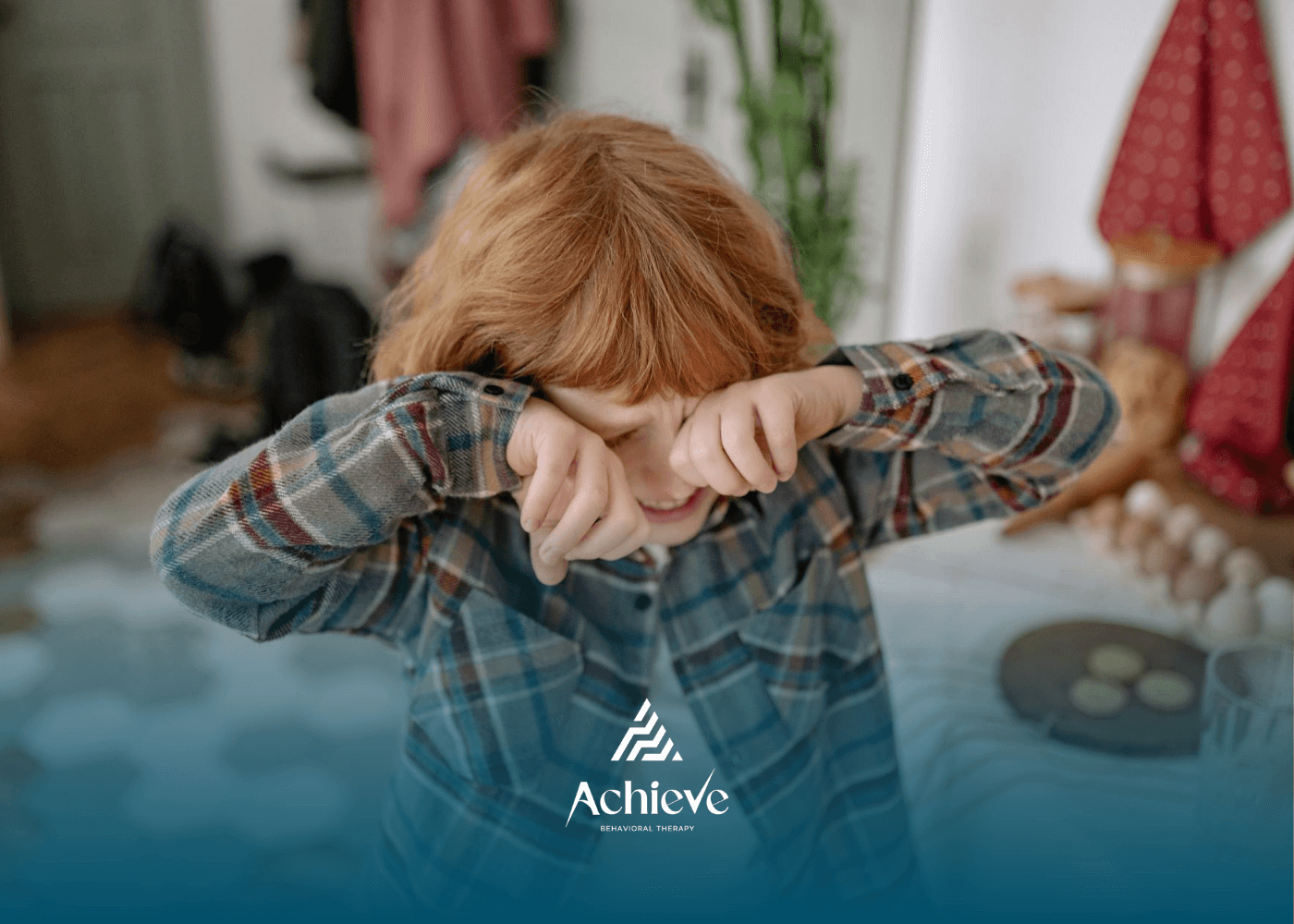
The autism grief cycle refers to the range of emotions parents may experience after their child receives an autism diagnosis. It’s a natural, emotional response not to the child themselves, but to the expectations parents once had about their child’s development and future.

This process often mirrors the stages of grief: denial, anger, bargaining, sadness, and acceptance.


Parents may initially feel shocked or overwhelmed, wondering what autism means for their child’s life. Over time, as they learn more about autism and see their child’s strengths, those feelings often evolve into understanding, acceptance, and hope.


It’s important to know that this emotional process is normal, and it doesn’t mean you love your child any less. Support from professionals, community groups, and therapies like Applied Behavior Analysis (ABA) can help families move through the grief cycle with strength and optimism.


At Achieve Behavioral Therapy, we provide compassionate, family-centered ABA therapy in New Jersey and North Carolina, helping both children and parents thrive through understanding, progress, and care.


Need guidance after your child’s diagnosis? Contact us today!


SOURCES:


https://www.healthline.com/health/stages-of-grief


https://www.cruse.org.uk/understanding-grief/effects-of-grief/five-stages-of-grief/


https://www.psychologytoday.com/us/blog/giving-voice/202402/the-spectrum-of-loss-grief-through-the-autistic-lens


https://pmc.ncbi.nlm.nih.gov/articles/PMC6926999/


https://www.europeanreview.org/wp/wp-content/uploads/7698-7708-1.pdf


Need Support?

We're Here to Help!

Our experienced team is ready to assist you. Reach out today to discuss how we can support your child's development and well-being.

Get started with expert ABA therapy today.

Boy sleeping on a white pillow, wearing a patterned top and red shorts. Bright bedroom setting.
February 4, 2026
Discover how ABA for Autism and Sleep Disorders can enhance sleep quality. Explore effective strategies and insights in our latest blog post.
Baby playing with a wooden sensory board on a wall, colorful beads and gears.
February 4, 2026
Discover how ABA improve fine motor skills in children with autism. Our blog explores effective techniques and strategies for meaningful progress.
Dentist examining a young child's teeth. Dentist wearing mask, child smiling, in dental office.
February 3, 2026
Learn how to prepare a child with autism for a medical appointment with clear steps, sensory tools, and expert strategies you can use today.
Family of four smiles by wooden wall; father holds a child.
February 3, 2026
Learn how to explain autism to siblings with clear, age-appropriate language, backed by research and real family insights.
Pregnancy test, ultrasound image, and flowers on pink surface.
February 3, 2026
Discover whether you can prevent autism in pregnancy. Explore the latest research and findings on maternal health and autism risks in our informative blog.
White bowl filled with broccoli; a fork holds a floret.
February 2, 2026
Explore sulforaphane for autism, including potential benefits, current research findings, and what studies suggest about its effects and safety.
Boy at table with woman, pointing at letters; colored drawings and plush cloud in background.
January 30, 2026
Visual supports in autism communication clarify speech, reduce anxiety, aid independence. Achieve Behavioral Therapy ABA excels in NJ/NC—get started!
Baby clothes in various colors, a green bottle, and a toy on a white blanket.
January 28, 2026
Sensory clothing for autism refers to specially designed apparel that addresses sensory sensitivities common in autism spectrum disorder by minimizing irritation and discomfort. These garments use soft fabrics, tagless designs, flat seams, and adaptive closures to reduce sensory overload and increase comfort for individuals with sensory processing differences.  Why Sensory Clothing Matters Many autistic individuals experience heightened sensory responses to touch and texture. Ordinary clothing — with tags, stiff seams, or rough fabrics — can trigger discomfort or distress. Sensory clothing for autism is created to prevent those irritations before they happen, helping people stay calm and participate in daily activities more comfortably. Research shows that repeated touching or stroking of comfortable fabrics can provide soothing sensory input, helping some autistic individuals self-regulate during everyday activities.
Smiling child on a horse, assisted by a man. Outdoor setting, blue top, bright sunlight.
January 28, 2026
Learn what does severe autism look like — symptoms, communication challenges, social interaction traits, and behavior patterns of Level 3 ASD.
Show More