

How Do You Discipline an Autistic Child Who Doesn’t Listen

January 23, 2026

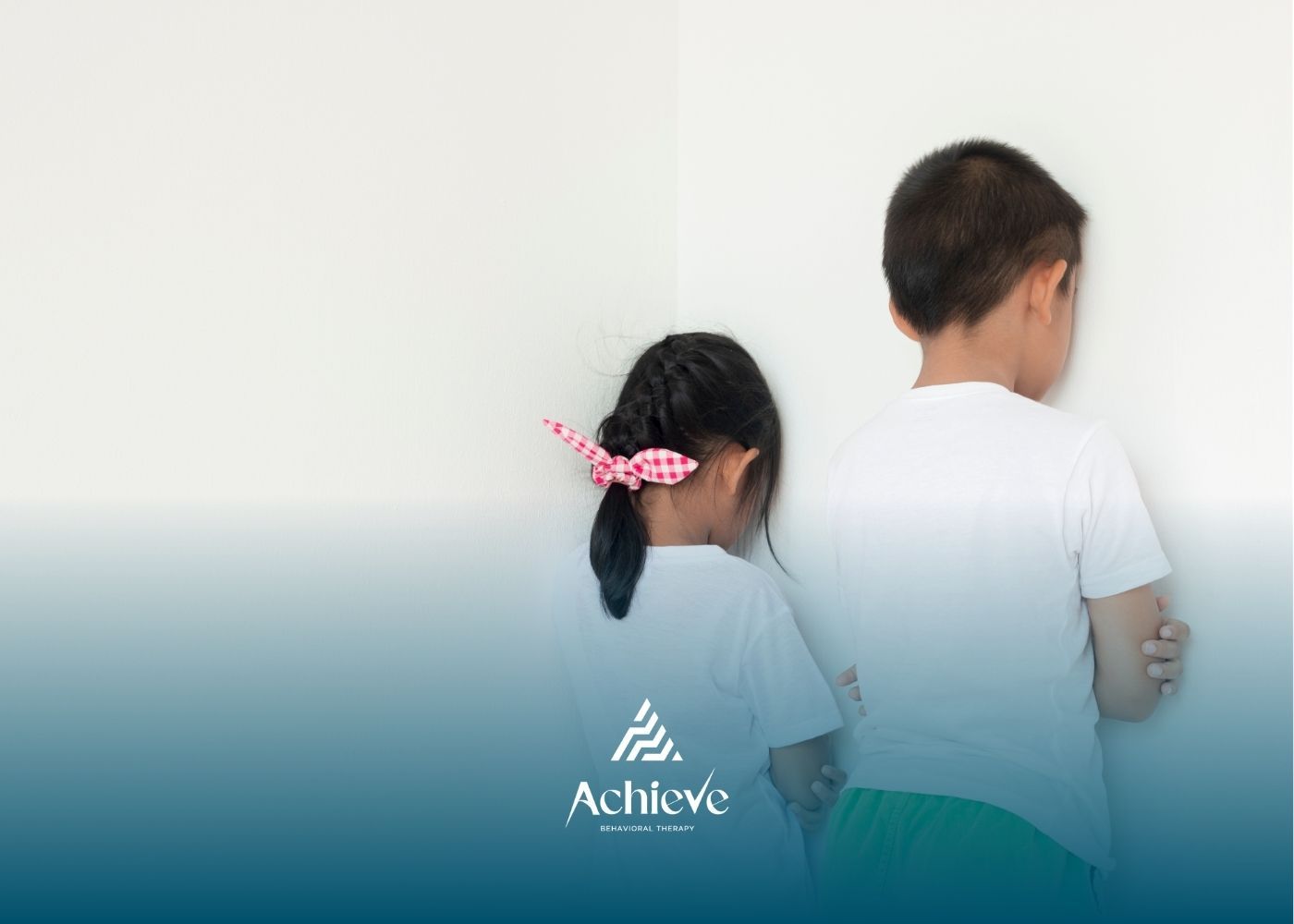
How do you discipline an autistic child who doesn't listen? Teach, not punish. Make the direction clear, reduce sensory load, use visuals, and reinforce the exact behavior you want. How do you discipline an autistic child who doesn't listen? Say one short instruction, wait 5–10 seconds, then model. How do you discipline an autistic child who doesn't listen? Use first–then boards, choices, and immediate praise. How do you discipline an autistic child who doesn't listen? Prevent triggers: lower noise, offer headphones, and plan breaks. U.S. monitoring identifies about 1 in 36 children with autism, so these supports are widely used across home and school plans.

What to do right now:

  • One direction at a time.
  • First–then: “First shoes, then car.”
  • Show, don’t repeat.
  • Reinforce fast: “Nice job putting on shoes.”
  • If unsafe behavior happens, block, keep language brief, reset the routine.


How do you discipline an autistic child who doesn't listen? Use clear cues, short waits, planned rewards, and sensory supports. Want a written home plan this week? Call Achieve Behavioral Therapy—we’ll map triggers, pick visuals, and set data checks.


FAQ

  • What replaces yelling?

    One short cue, 5–10-second wait, model, then praise.

  • Do visuals help?

    Yes. First–then boards and picture steps improve follow-through.

  • What about consequences?

    Reinforce desired behavior; keep responses brief and safe.

  • How do I start?

    Pick one routine, write a 3-step visual, and track successes daily.

Need Support?

We're Here to Help!

Our experienced team is ready to assist you. Reach out today to discuss how we can support your child's development and well-being.

Get started with expert ABA therapy today.

January 26, 2026
Starting Applied Behavior Analysis (ABA) therapy is a significant step for parents of children on the autism spectrum. These individualized sessions are known for building important skills and encouraging independence. As your child’s needs evolve and they make progress, you might begin to wonder when it's the right time to stop ABA therapy. This guide will walk you through the factors to consider, helping you make an informed and confident choice for your family. Understanding ABA Therapy for Children with Autism Applied Behavior Analysis (ABA) therapy is a science-based approach that is highly effective for children with Autism Spectrum Disorder (ASD). It focuses on understanding and changing behavior to teach valuable life skills. The primary goal is to encourage positive behaviors and improve areas like communication and social interaction. This therapy is tailored to each child's unique needs, helping them succeed in many aspects of daily life. By breaking down complex tasks into manageable steps, ABA therapy provides the structured support necessary for meaningful development. What Is ABA Therapy and How Does It Work? Applied Behavior Analysis (ABA) is a therapy rooted in the science of learning and behavior. The therapy process begins with a detailed assessment by a certified behavior analyst (CBA) or an ABA therapist. They create a personalized plan to address specific needs, from communication to self-care skills. A core technique in ABA is positive reinforcement. When your child demonstrates a desired behavior, they receive a reward, which encourages them to repeat that action. This method helps reduce challenging behaviors while systematically teaching new, helpful skills that contribute to your child’s development. So, how do you know if your child is ready to leave ABA therapy? A key indicator is when your child consistently meets their goals and can apply their new skills in different environments without constant prompting. This shows they are internalizing what they've learned and are becoming more independent, signaling that a transition may be appropriate. Common Goals and Outcomes of ABA in the United States ABA therapy aims to help children on the autism spectrum achieve greater independence and confidence in their daily activities. The therapy goals are customized to each child but often center on improving communication, social skills, and self-management. By focusing on these areas, ABA can lead to significant positive changes. The ultimate outcome is to empower your child with the tools they need to navigate the world successfully. This includes everything from participating in classroom activities to forming friendships. As skills are developed, families often notice a decrease in challenging behaviors and an increase in positive social interactions. While ABA is a primary intervention, common alternatives to ABA for children with autism include occupational therapy, speech therapy, and physical therapy. These can complement or follow ABA to address specific sensory, motor, or language needs.
Two children playing with colorful building blocks on a rug, in a bright room. One is building, the other looks on.
January 24, 2026
Compare Discrete Trial Training and Natural Environment Teaching. Learn how these ABA methods differ and work together to boost learning and skill mastery.
Boy in yellow shirt and jeans playing with toys on the floor, indoors.
January 24, 2026
Understand chinning behavior in autism. Explore sensory causes, the meaning behind this stim, and practical support strategies to ensure safety and comfort.
People collaborating at a table with a laptop, notebook, and diagrams, planning a project.
January 24, 2026
Explore effective Behavior Intervention Plan examples. Learn how to use data-driven strategies and positive reinforcements to support student success and growth.
Two children, writing in notebooks at a table. Bright room, sunlight.
January 20, 2026
Wondering, "How do I know if ABA therapy is working?" Discover essential tracking methods and signs of progress in our latest blog post.
Hand squeezing a red stress ball with a smiley face.
January 20, 2026
Learn what relaxes autism: sensory tools, deep pressure, breathing, and safe spaces that help emotional and sensory regulation for autistic individuals.
Young child playing with colorful toys at a table with an adult; hippo drawing on the wall.
January 20, 2026
Does ABA therapy make autism worse? Evidence shows it doesn’t worsen autism, though some individuals report negative experiences.
Family embracing joyfully in front of a window. Light, airy room, smiles, hugs.
January 20, 2026
Explore what research says about housing and independence for autistic adults. Learn about future living options, support, and proactive long-term planning.
Boy looks unhappy at a birthday party, leaning on his hand. Cake with candles lit in front.
January 19, 2026
Understand why autistic children experience intense emotions. Discover the triggers behind big feelings and find practical, supportive strategies for your family.
Show More