Do Autistic Kids Love Their Mom? Understanding Bonding in Autism

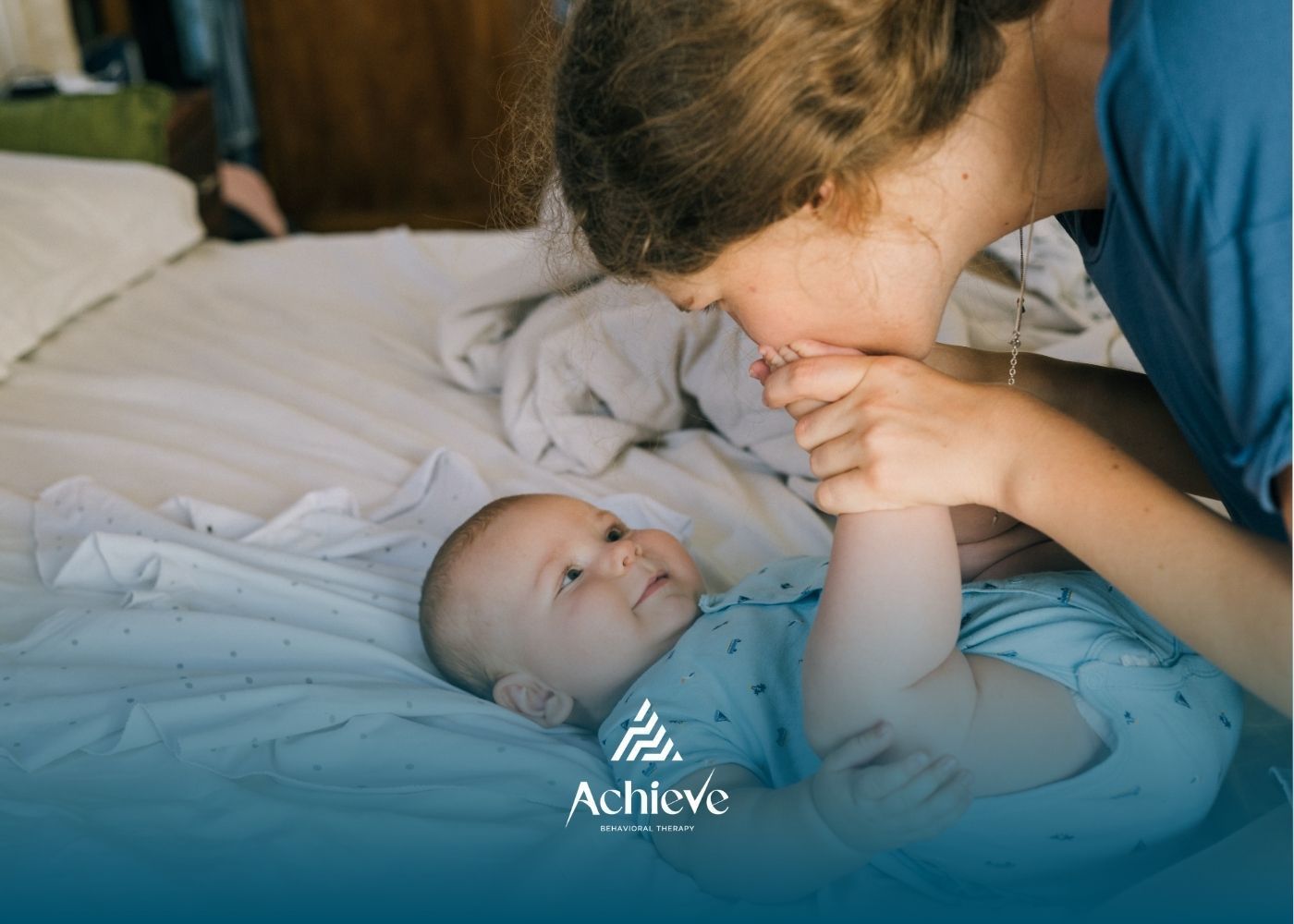
Do autistic kids love their mom? In many cases, yes. Autism does not stop a child from forming emotional bonds with a parent. Clinical training materials from the CDC note that it is a misconception that children with autism do not show emotions or attachment to caregivers. Many autistic children do form close relationships, but they may show connection in ways that look different from what parents expect.
Do Autistic Kids Love Their Mom in the Same Way?
When people ask, “Do autistic kids love their mom?” they are often asking how love looks in autism. Some autistic children may avoid eye contact, dislike hugs, or have trouble using words to express affection. That does not mean there is no bond. Autism affects social communication and interaction, so feelings may be real even when expression looks different.
What Research Shows About Attachment
Research on attachment gives a clearer answer to “Do autistic kids love their mom?” A meta-analysis published in Child Development found that children with autism can and do form secure attachment relationships with parents, though rates of secure attachment may be lower in some groups than in non-autistic peers. A later study also found that attachment in children with autism is linked to emotional and behavior outcomes, which shows that parent-child bonding remains meaningful and measurable.
What Love May Look Like in Autism
For some families, the answer to “Do autistic kids love their mom?” may show up through routines, proximity, shared play, seeking comfort, or small repeated actions instead of spoken affection. The bond is not defined by one behavior such as eye contact or hugging.
If you have questions about your child’s communication, attachment, or behavior, Achieve Behavioral Therapycan help you look at the full picture and schedule a visit to talk through support that fits your family.
FAQs

Can autistic children bond with their mothers?
Yes. Research shows many autistic children form attachment relationships with caregivers.
Why might an autistic child not say “I love you”?
Autism can affect communication and social expression, so affection may be shown in other ways.
Does avoiding hugs mean there is no love?
No. Some autistic children have sensory sensitivities that affect physical affection.
Can therapy help with connection and communication?
Yes. Support can help children build communication and social interaction skills.
Need Support?
We're Here to Help!
Our experienced team is ready to assist you. Reach out today to discuss how we can support your child's development and well-being.
Get started with expert ABA therapy today.