
What Happens When You Yell at an Autistic Child?

Martin Klein • January 20, 2026

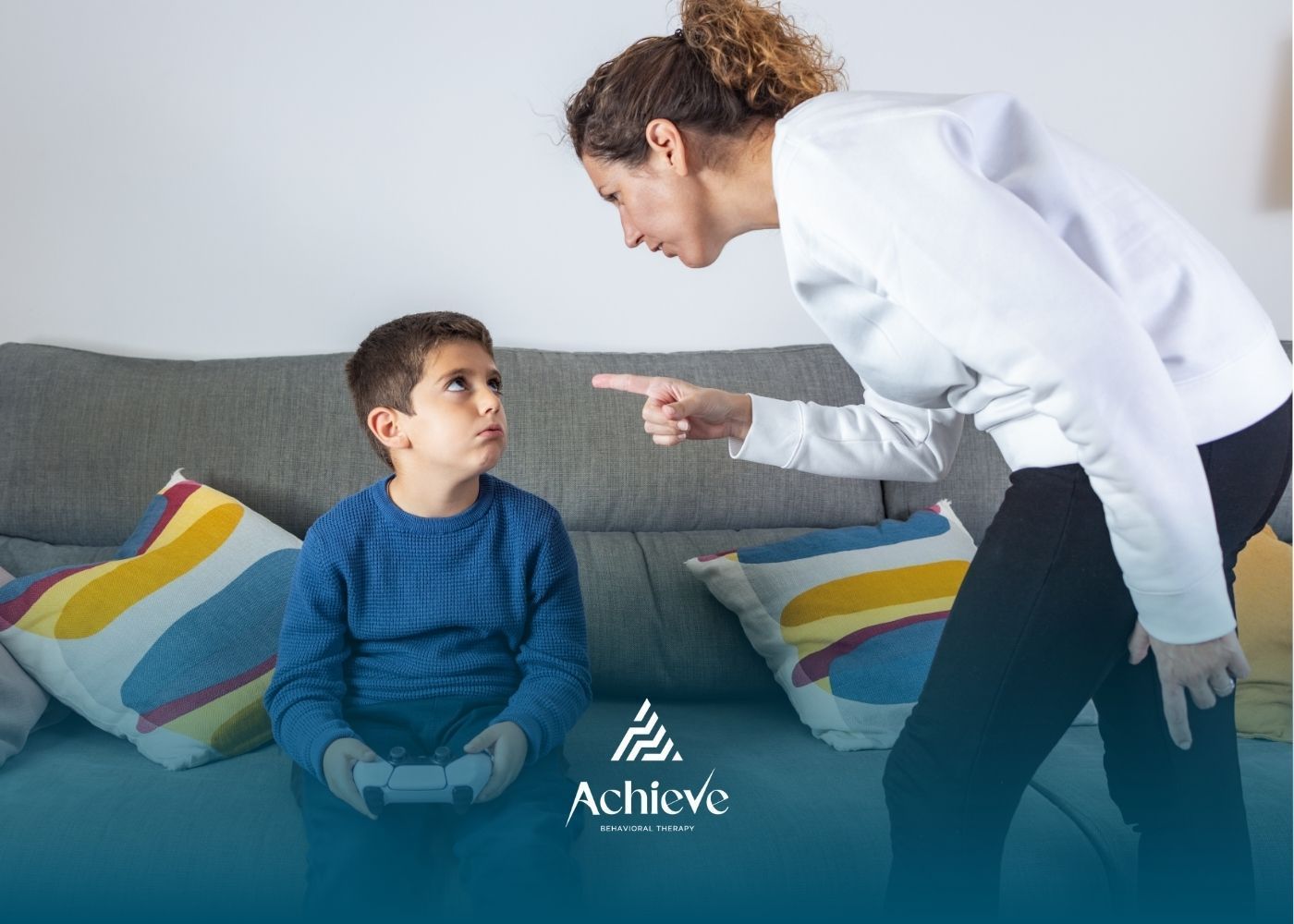
What happens when you yell at an autistic child? Loud volume and harsh tone can trigger sensory overload, startle responses, and fight-flight-freeze. Breathing speeds up, thinking narrows, and communication drops. What happens when you yell at an autistic child? Meltdowns or shutdowns are more likely, and learning stops until the child is regulated. What happens when you yell at an autistic child? Trust and cooperation decrease; the next conflict may escalate faster. The behavior you want to change can strengthen because the child is overwhelmed, not defiant.


From our New Jersey and North Carolina sessions: when adults switch to a calm voice, give one short direction, reduce noise and lights, and offer a clear break, recovery is quicker and skills resume. Practical swaps work: pause 10 seconds, use visual cues, state what to do (“hands on desk”), and praise the exact behavior.


Need a plan you can apply this week? Call Achieve Behavioral Therapy. We’ll map triggers, script calm responses, and practice them with you.


FAQs

  • Does yelling teach boundaries?

    No. It increases overload and delays learning.

  • What should I do instead?

    Lower voice, one direction, visual cue, brief break, specific praise.

  • How long should I pause after a direction?

    5–10 seconds to allow processing.

  • What helps in public?

    Headphones, exit plan, and short, concrete instructions.

Need Support?

We're Here to Help!

Our experienced team is ready to assist you. Reach out today to discuss how we can support your child's development and well-being.

Get started with expert ABA therapy today.

Related posts

Girl with pigtails painting on a wall with blue paint.
August 17, 2026
Practical, parent-focused guidance on autism elopement — GPS trackers, home safety, swim lessons, IEP planning, and what to do if it's happening right now.

Family under a paper house: parents and children smiling, indoors.
August 16, 2026
A neurodiversity-affirming guide to supporting an autistic sibling, spouse, parent, child, or adult child — what actually helps, by relationship.

A person wearing glasses and a green shirt smiles while looking up, standing in front of a tree.
By Martin Klein August 11, 2026
Autism is lifelong, but not static. See how it shifts by life stage, what masking costs long-term, and what genuinely improves with support.

Show More