Can Children with Autism Understand Emotions?

September 24, 2025

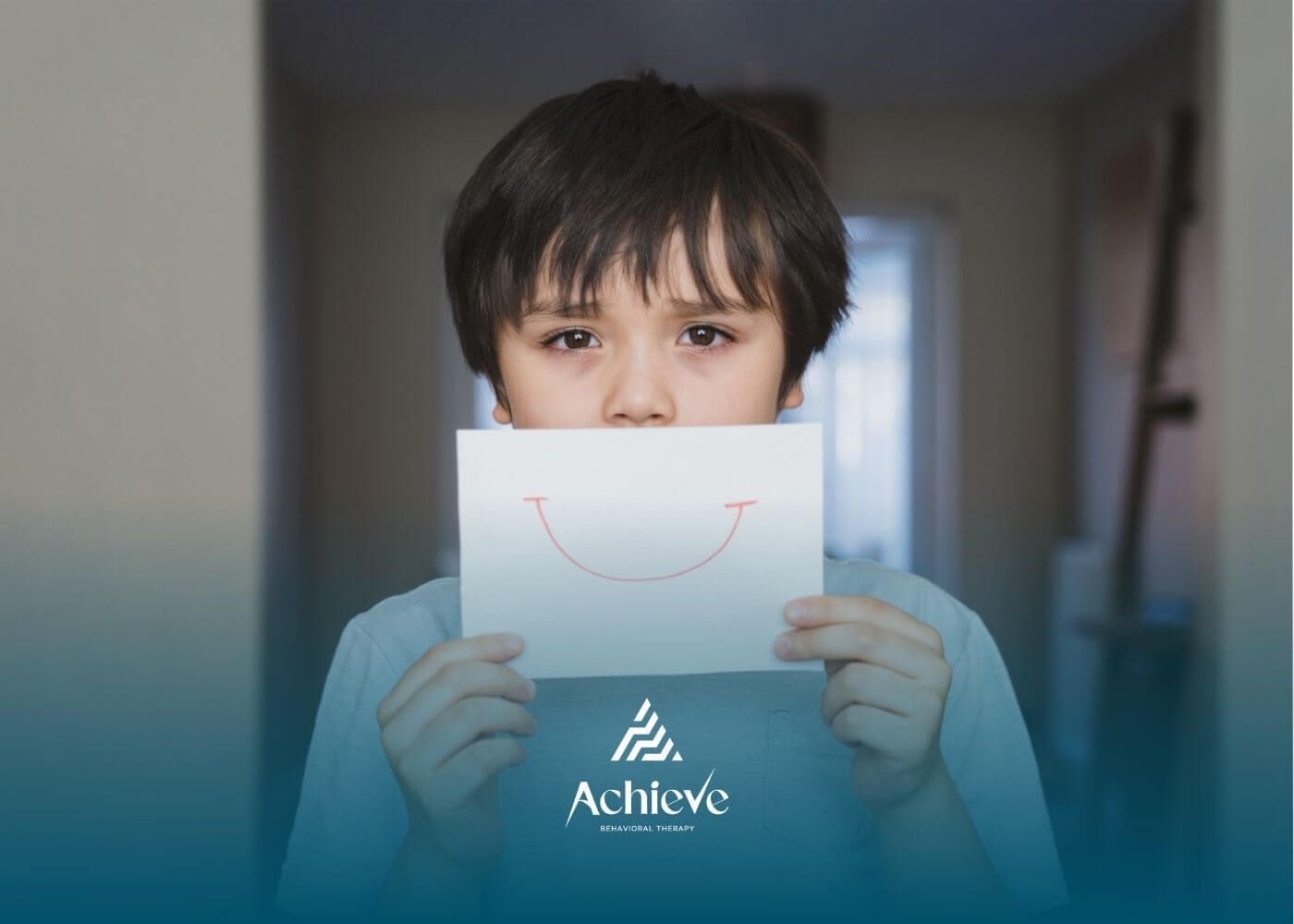
Understanding emotions is a skill that develops differently in every child. For children with autism, recognizing and responding to emotions can sometimes be more challenging, but that does not mean it’s impossible. Let’s break it down clearly.


How Autism Affects Emotional Understanding

Children with autism spectrum disorder (ASD) may process emotions differently due to differences in social communication and interaction. This can affect their ability to recognize facial expressions, tone of voice, or body language. For example, some may have difficulty distinguishing between subtle emotions such as frustration and sadness.


Can Children with Autism Learn About Emotions?

Yes. Research shows that children with autism can learn to understand emotions with support. Strategies like social stories, visual aids, and role-playing can help. Applied Behavior Analysis (ABA) therapy is often used to teach children how to identify emotions in themselves and others, and to practice appropriate responses in social settings.


Why Emotional Skills Matter

Understanding emotions is crucial for building relationships, managing behavior, and improving communication. With consistent support, children with autism can strengthen their emotional awareness, leading to better social interactions and independence.



Conclusion

Children with autism can absolutely learn to understand and navigate emotions, even if the process looks a little different from their peers. With patience, structured support, and evidence-based strategies like ABA therapy, emotional awareness and expression can steadily improve. Developing these skills not only supports social growth but also helps children build meaningful connections and confidence in daily life.


Why Choose Achieve Behavioral Therapy

At Achieve Behavioral Therapy, we believe every child deserves the tools to connect with the world around them. Serving families across New Jersey and North Carolina, our expert team specializes in helping children build critical skills like emotional understanding through individualized ABA therapy programs. By combining compassionate care with proven methods, we empower children to grow, thrive, and achieve their fullest potential. If you’re ready to take the next step in your child’s journey, Achieve Behavioral Therapy is here to guide you every step of the way.

Frequently Asked Questions

  • Can children with autism feel emotions?

    Yes, children with autism experience a full range of emotions, though they may express or recognize them differently.

  • How can I help my child with autism understand emotions?

    Visual supports, ABA therapy, and consistent practice in real-life situations can help.

  • Do all children with autism struggle with emotions?

    Not all. Each child on the spectrum is unique, and emotional understanding can vary widely.

Sources:

  • https://www.autismspeaks.org/what-autism
  • https://www.psychiatry.org/patients-families/autism/what-is-autism-spectrum-disorder
  • https://www.autismspeaks.org/applied-behavior-analysis

Need Support?

We're Here to Help!

Our experienced team is ready to assist you. Reach out today to discuss how we can support your child's development and well-being.

Get started with expert ABA therapy today.

Related posts

Woman and child doing speech therapy exercises, looking in a mirror.
February 23, 2026
Discrete trial training DTT explained. Learn how structured ABA builds communication and learning step by step.
Hands holding a phone and using a laptop, social media icons floating above.
February 23, 2026
Learn social media boundaries for parents of autistic kids — privacy tips, sharing rules, and support strategies for safe and respectful online use.
Child and adult at a table playing with colorful blocks; a colorful clock and pens visible.
February 23, 2026
Learn about pivotal response training: definition, principles, evidence-based examples, and how it helps children with autism build communication and social skills.
Show More