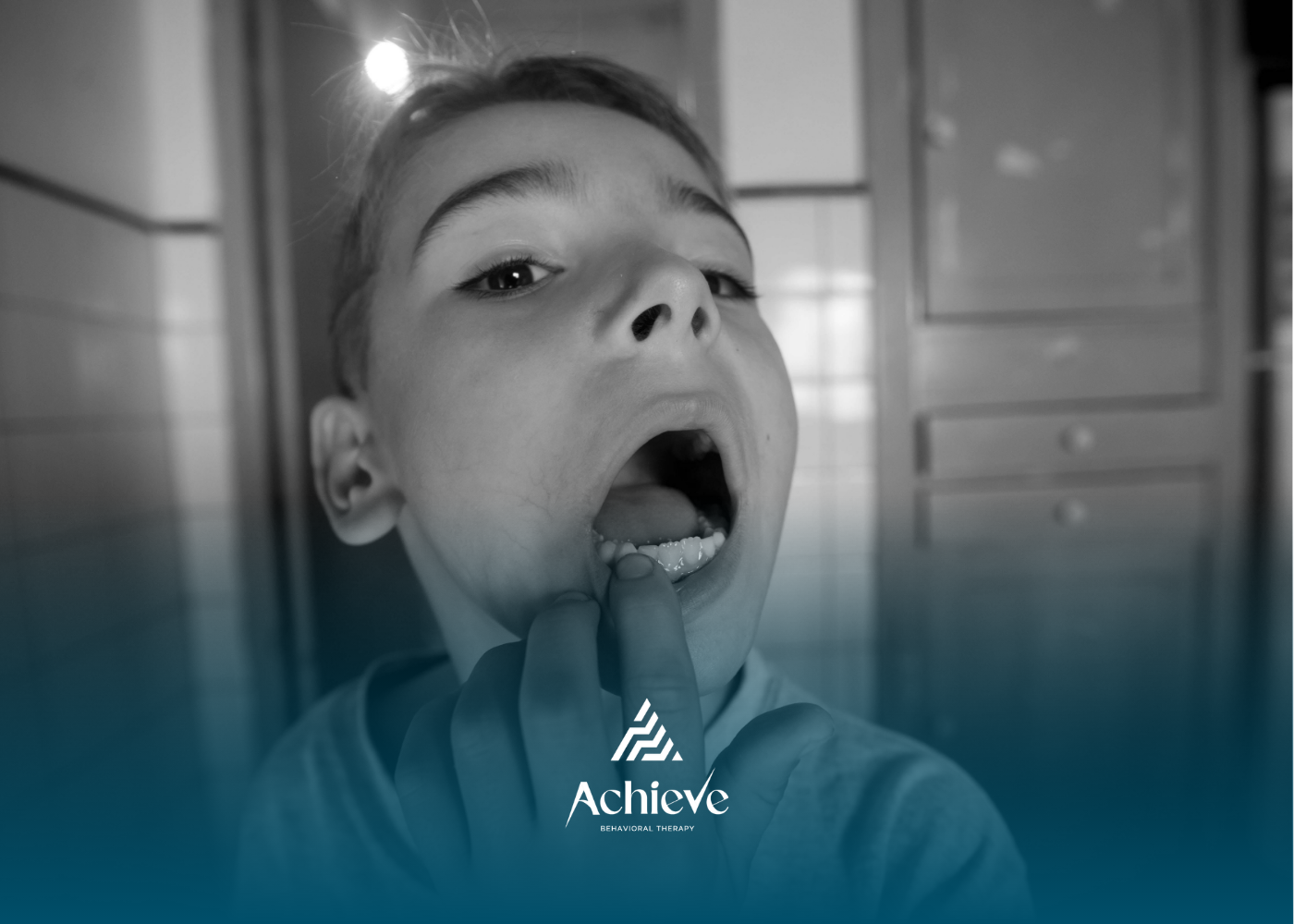
What Is “Autism Jaw”? Understanding Jaw Clenching and Oral Behaviors

February 17, 2026

The term “autism jaw” is sometimes used online to describe jaw clenching, teeth grinding (bruxism), or repetitive oral movements observed in some autistic individuals. It is important to note that this is not a medical condition unique to autism. Rather, these behaviors are often related to sensory processing or emotional regulation.


Some children clench their jaw or grind their teeth when feeling anxious, overstimulated, or deeply focused. Others may engage in oral motor behaviors as a way to seek sensory input. While occasional jaw tension may not cause harm, frequent clenching can lead to headaches, facial soreness, or dental wear over time.


Understanding the reason behind the behavior is key. If the behavior serves a sensory function, providing appropriate alternatives—such as chewable sensory tools—may help. If stress-related, teaching coping and relaxation skills can reduce the frequency.


At Achieve Behavioral Therapy, we use ABA principles to assess the function of behaviors and develop individualized strategies. By identifying triggers and teaching healthier replacement behaviors, we help children regulate safely while protecting their physical well-being and comfort.


Frequently Asked Questions

  • 1. What does “autism jaw” mean?

    “Autism jaw” is not a medical diagnosis. It is an informal term sometimes used to describe jaw clenching, teeth grinding, or oral motor behaviors seen in some autistic individuals.

  • 2. Why might an autistic child clench their jaw?

    Jaw clenching can be related to sensory regulation, anxiety, stress, or oral sensory needs.

  • 3. Is jaw clenching harmful?

    Frequent clenching or grinding may lead to discomfort, headaches, or dental issues if not addressed.

Need Support?

We're Here to Help!

Our experienced team is ready to assist you. Reach out today to discuss how we can support your child's development and well-being.

Get started with expert ABA therapy today.

Related posts

Group of children and adults seated, interacting in a room with a visual aid on the wall.
February 19, 2026
Differential reinforcement ABA and DRI ABA explained. Learn how reinforcement reduces problem behavior effectively.
Children in a classroom looking at numbers. A girl points at numbers on a chart.
February 19, 2026
Natural environment teaching explained. Learn how ABA builds real-life communication and social skills effectively.
Teacher in green cardigan leading a lesson in a classroom with children sitting at a table.
February 18, 2026
Autism and dropping out of school: 43% of autistic students face persistent absence, raising dropout risk by 28%. Learn causes and support.
Show More